Emergency pain is messy. It arrives with alarms, in crowded waiting rooms, on football ovals, at roadside barriers. It can be a torn shoulder screaming at rest, a crushed hand that looks stealthily great, or a postoperative abdominal area where discomfort leaps with every cough. The work in those moments is not to contemplate concerning pain, yet to gauge, minimize, and monitor it quickly, safely, and with the client's trust. The nationwide device PUAEME008 Provide Pain Management codifies what skilled responders and medical professionals do when seconds issue and sources are uneven. Having actually educated staffs in city ambulance solutions and remote commercial sites, and having sat close to sufficient patients to recognize what helps and what damages, I see PUAEME008 as a toolkit for functional judgment as much as a set of protocols.
What PUAEME008 asks of you in the real world
PUAEME008 Supply Discomfort Management focuses on structured analysis, safe selection of analgesic options within your scope, cautious tracking, and prompt escalation. It is educated throughout industries due to the fact that discomfort is a global risk multiplier. A client in serious discomfort breathes shallowly, guards movement, spikes in blood pressure, and can lose composure. That waterfall complicates every little thing from diagnostics to respiratory tract monitoring. A lot of discomfort management courses cover scales and drug names. A great pain management certificate course goes better, insisting on context: the client's physiology, the setting, available tools, and the way discomfort behaves over mins rather than hours.
The proficiency map behind PUAEME008 has 3 columns. First, rapid evaluation that integrates discomfort intensity with system of injury, warnings, and function. Second, intervention selections calibrated to scope and setting, from nonpharmacological measures up to inhaled analgesia or, where permitted, opioid titration. Third, constant review, paperwork, and handover that can take on both professional examination and lawful review.
Rapid assessment that values time and tissue
I teach pupils to think in loops rather than lines. The very first loop is safety and security, ABCs, and perfusion. If the air passage is noisy and the radial pulse is thready, pain management waits. Once you have breathing and circulation controlled, you can transform to discomfort with the very same discipline.
Start with the patient's own words. Request for a rating utilizing a 0 to 10 numerical range. If the person fights with numbers, utilize a faces range or basic language: no pain, mild, modest, severe, worst. Support what the number implies. I usually say, "Absolutely no is no pain, ten is the most awful pain you can visualize." A ranking of 7 with superficial breathing and facial grimace is not the same as a patient 7 describing limited chest pressure. Numbers are signals, not verdicts.
Then probe mechanism and quality. A clean cut laceration stings and throbs. A thigh crack has deep, movement-triggered discomfort that emits. Colicky ideal upper quadrant pain points to biliary troubles; pleuritic breast discomfort increases with inspiration. Your questions ought to aim at pattern recognition and threat. Is the discomfort new, sudden, tearing, stress like, positional? Does it move with motion, palpation, or respiration? In an emergency setup, you measure pain not just to soothe suffering, however to dismiss the disastrous: burst ectopic pregnancy, myocardial infarction, intense abdominal areas, area syndrome, spine compression.
Objective actions issue. Record respiratory system rate, oxygen saturation, heart price, high blood pressure, temperature level, and degree of consciousness. Note discomfort actions: guarding, grimacing, diaphoresis, agitation. In nonverbal grownups or children, empirical devices like FLACC aid equate habits into a score. I bring a psychological list. If pain drives tachycardia and high blood pressure in a previously normotensive client, anticipate analgesia to assist support vitals. If discomfort and hypotension trip together, be cautious with agents that can go down blood pressure further.
/assets/images/provider/photos/2787906.jpeg)
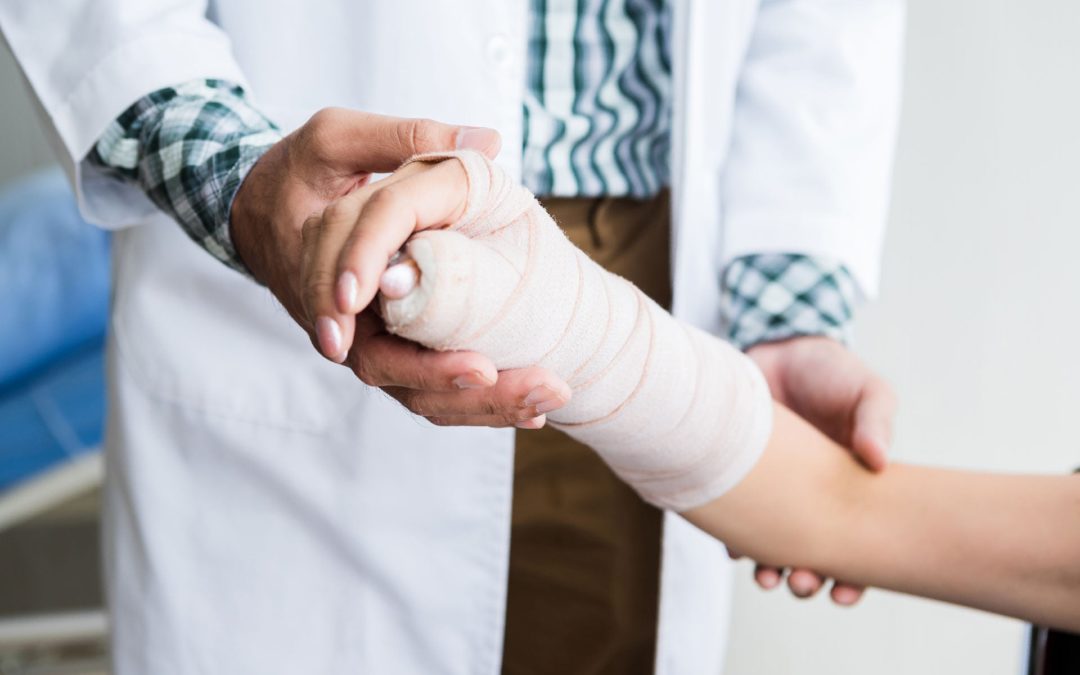
Immobilization and placing count as very early interventions. Splint a presumed fracture before providing opiates if you can do it delicately. Elevate and apply cold packs to soft cells injuries, shielding the skin. Encourage slow-moving, diaphragmatic breaths in rib injuries. A pillow under bent knees alleviates abdominal protecting. These are not placebo steps. They decrease peripheral nociceptive input, which gets time and requires no prescription.
Matching treatment to extent and risk
A normal PUAEME008 offer pain management framework emphasizes acting within your credentials and procedures. In Australia, numerous very first -responders and some work environment medics carry inhaled methoxyflurane, dental analgesics, and occasionally intranasal fentanyl. Nurse practitioner and paramedics may hold broader scopes with titrated IV opioids or ketamine. In a rural clinic or mine site, you might have a lean set and forty minutes to the nearest health center. The most effective pain monitoring training shows you to extend your choices without overstepping.
Methoxyflurane attracts dispute because it is straightforward, acquainted, and not benign. It functions swiftly for moderate to severe trauma discomfort, noticeable relief in 2 to 3 mins with self-administered control. The pros are rate and ease. The disadvantages consist of lightheadedness, sleepiness, and a ceiling impact. It is additionally best prevented in significant hypotension and in those with kidney risk. In practice, if I have a conscious trauma client with a lengthy transport and steady vitals, methoxyflurane can be a bridge. Keep the person supine or seated safely, display for sedation, and log total dose.
Intranasal fentanyl, where permitted, is a workhorse for extreme pain. Absorption is fast, application is uncomplicated, and venous gain access to is not needed. It fits cracks, burns, and huge soft tissue injury. The risk profile requires respect: breathing anxiety is uncommon in titrated doses, but possible, especially in opioid naive elderly or those with coexisting sedatives. Have oxygen prepared, screen end tidal CO2 if you bring capnography, and reassess every couple of mins. My guideline is to titrate to work, not to no. If the individual can tolerate movement and take a breath normally at rest, that suffices in an area setting.
Opioids offered IV belong to skilled extents and clear procedures. Morphine and fentanyl differ in kinetics and histamine release, with morphine most likely to drop high blood pressure in the volume depleted. For injury where blood loss is feasible, I favor tiny aliquots of fentanyl, titrated, while filling fluid carefully. For metabolic or kidney pain, such as ureteric colic, IV opioids work, but take into consideration adjuncts like antiemetics and, where encouraged, NSAIDs if renal feature enables. Great pain monitoring programs for nurses and paramedics stress the reasons behind these choices, not simply memorizing lists.
Ketamine makes its place for serious injury discomfort, particularly if hypotension is a danger. Dissociative application for analgesia at subanesthetic degrees does not compromise air passage reflexes and typically boosts it by decreasing frustration. The dissociation can be disturbing to patients and carers; a positive description in advance assists: "This medication reduces discomfort and your brain may really feel detached. I will certainly stick with you and speak you through it." Expect hypersalivation, nystagmus, and rare appearance reactions. In the area, the benefits usually exceed the disadvantages, especially if extrication is rough.
NSAIDs and paracetamol contribute greater than they are in some cases credited for, particularly in musculoskeletal and dental discomfort. Oral or IV paracetamol is risk-free across a wide range, conscious of hepatic restrictions. NSAIDs add anti inflammatory impact, reliable in renal colic and soft cells injuries, yet prevent in suspected bleeding, peptic ulcer illness, renal disability, or late pregnancy. In short transport settings, these may not act promptly; in lengthy transportations or in ED, they lower total opioid requirement.
Nonpharmacological procedures proceed throughout transportation. Diversion, guided breathing, and maintaining the patient cozy and covered are not niceties. They change understanding and minimize understanding drive. In pediatric medicines, bubbles, a moms and dad's voice, and fast, sincere explanations lower fight, which minimizes pain.
The clock belongs to the treatment
PUAEME008 stresses reassessment, and forever factor. Discomfort is dynamic. The crack that sits quietly on a stretcher barks when you round an edge. The abdominal discomfort that really felt scattered at pickup centers to the right reduced quadrant after twenty minutes. The neck and back pain that is workable with remainder comes to be distressing with leg weakness, pointing to cauda equina. Every analgesic has a time to onset and a time to top. Treat pain like a relocating target and you will certainly avoid both over and under treatment.
Reassess pain scores at specific periods connected to the representative utilized: every 5 minutes after intranasal fentanyl or IV opioids, every 10 to 15 minutes after dental or inhaled representatives. Combine the score with essential indications, breathing effort, and psychological status. Documentation needs to review like a story with time stamps. "13:10 - Individual states 8/10 sharp left forearm discomfort, defect mid shaft distance, radial pulse existing. Methoxyflurane started. 13:14 - Pain 5/10, RR 18, SpO2 98, calm, splint used. 13:20 - Discomfort 3/10, able to endure movement onto scoop."

Handover belongs to the treatment. A complete record to the obtaining group protects against duplication, prevents overdosing, and appreciates the patient's experience. Include the first assessment, what you offered and when, what altered, and any type of problems or warnings you kept in mind. Knowledgeable pain management training courses drill this routine to make sure that it lingers under stress.
Safety webs and red flags that override routine
Most pain in emergency situation setups is simple. Some pain masquerades and punishes complacency. PUAEME008 offer discomfort monitoring frameworks require escalation when particular patterns appear.
A squashing central breast pain radiating to arm or jaw, specifically with diaphoresis and queasiness, alters the concerns. Analgesia must not delay ECG and reperfusion pathways. If offering opioids, go slowly, view blood pressure, and avoid concealing recurring anemia indications. Nitroglycerin assists ischemic pain in chosen clients, yet it can drop pressure alarmingly in right ventricular infarct or in those who took phosphodiesterase inhibitors.
Acute extreme headache referred to as sudden and worst of life, especially with neck rigidity or neurological deficit, points to subarachnoid hemorrhage or intracranial disaster. Aggressive opioid administration can endanger neurologic analysis. Aim for comfort, darkness, peaceful, and prompt transportation. Deal with nausea or vomiting. Avoid representatives that shadow awareness unless respiratory tract and neuro surveillance are assured.
Acute abdominal discomfort in a pale, hypotensive client asks for marginal interference. Keep them nil by mouth, position of convenience, cautious fluids, and fast transportation. NSAIDs would certainly be reckless, as would certainly hefty opioids that mask peritoneal signs if surgical testimonial is imminent. Where discomfort is extreme and movement inescapable, tiny titrated dosages to allow transfer are suitable, documented clearly.
Severe neck and back pain with brand-new saddle anesthesia, urinary retention, or reciprocal leg weak point is a neurosurgical emergency situation. Discomfort relief issues, however the main task is speed. Paper baseline neuro status and safeguard the spinal column throughout transfer.
Isolated limb injury with discomfort out of proportion, tense compartments, and worsening discomfort with easy stretch is a very early area disorder warning. Splinting and mild elevation aid; ice in straight call fears me because of vasoconstriction. Escalate, reassess neurovascular standing repetitively, and beware concerning over sedation that may conceal deterioration.
Building patient trust in minutes
Pain is sensory and psychological. The fastest medicines in the bag can not get over skepticism. When I step into a confined space rescue or a home lounge, my very first couple of sentences established the tone. I call myself, ask the individual's name, and claim clearly, "I'm mosting likely to assist with your pain while we make a strategy." Consent, even when implied, goes much better with specific selections. "You can breathe this medication while you hold the mouth piece. It functions swiftly, and you remain in control. I'll view your breathing and ask just how it feels." Clients that really feel control demand much less drug and recuperate faster.
Cultural context issues. For some, confessing discomfort really feels weak. For others, vocalizing pain is the only way to get listened to. A translator or a family member can aid, but maintain personal privacy and dignity where possible. In pediatric pain, I intend my descriptions at the child and then verify with the moms and dad. In senior individuals, check hearing and slow your words. Inquire about home discomfort medicines and timing; polypharmacy modifications risk rapidly.
Training that sticks under pressure
There is no solitary discomfort management course that turns amateurs into masters. Proficiency develops with scenario rep, comments, and direct exposure to variability. If you are choosing amongst discomfort management courses, try to find ones that need hands on practice, not just talks. A certificate training course hurting administration need to consist of simulated surveillance, application estimations, contraindications, and documents drills. For initial -responders and office paramedics, brief programs suffering administration that line up with PUAEME008 deliver practical structures that are quickly usable. For medical professionals, discomfort administration courses for registered nurses and pain management programs for physio therapists ought to extend past pharmacology right into interaction, useful assessment, and https://elliottrkxt500.almoheet-travel.com/discomfort-management-accreditation-program-progressing-your-clinical-method non drug strategies that speed up rehabilitation.
A great discomfort management certification reinforces credibility and aligns certificate course in pain management with business procedures. In some territories, a discomfort management qualification training course may be required before lugging methoxyflurane or providing intranasal opioids. For hospital or prehospital team, discomfort monitoring training for nurses concentrates on titration skills, sedation ranges, and rise to medical evaluation. The goal is not a badge, however a habit of risk-free, humane, reproducible care.
Documentation that does greater than please policy
The list attitude can create clean and sterile notes. Excellent documents inform the professional story without dramatization or opinion. They capture baseline pain, feature, vitals, the rationale for picked treatment, the dosages and times, the response, any unfavorable impacts, and the plan. If a client refuses analgesia, record the deal, conversation of dangers and benefits, and the patient's words. If a language barrier exists, name the interpreter and approach. A record that shows clinical reasoning secures the client and the provider.
Auditing your very own situations teaches more than any type of lecture. Evaluation 3 or four charts a month and ask whether the pain score moved, whether reassessment was prompt, and whether alternative agents might have worked much better. Groups that debrief after tough situations improve faster than groups that do not. Keep it interested, not punitive.
Practical scenarios that examine judgment
Imagine a 32 year old motocross cyclist with an apparent tib fib fracture, discomfort 9 out of 10, BP 122/76, HR 108, SpO2 99 percent, GCS 15. You have methoxyflurane, intranasal fentanyl, and a vacuum cleaner splint. Start with positioning, comfort, and use a quick guidebook stabilization. Methoxyflurane acquires very early alleviation while your partner preps the splint. After 2 minutes, intranasal fentanyl at a conservative dose minimizes the spikes during movement. You reassess discomfort to 4 out of 10 before packing. The person can take a breath steadily, and transport is smoother. You keep speaking, warn prior to bumps, and record times and responses.
Contrast that with an 83 years of age on warfarin who insinuated the washroom, now with pain in the back and brand-new left leg weak point. Pain 7 out of 10 at remainder, BP 158/90, HR 96, SpO2 96 percent. Right here, incapacitate gently, prevent too much opioids that cloud neurology, consider small titrated doses if required to allow transfer, and rise early for imaging. Document standard neuro status, warfarin use, and the time of last dose. The pain issues, but the warnings matter more.
A 3rd circumstance: a 24 years of age with serious cramping reduced abdominal pain, pale and diaphoretic, HUMAN RESOURCES 120, BP 92/60, last menstruation duration six weeks earlier. The chance of ectopic maternity increases. Maintain her supine with legs a little raised, oxygen as needed, IV gain access to, careful fluids, and transport quickly. Analgesia needs to not delay care; tiny titrated doses to minimize distress are affordable, but prioritizing speed and tracking is the ideal call. Your paperwork will secure later decisions.
Where physio therapists and nurses suit the chain
Emergency discomfort administration is not only concerning code 1 feedbacks. Discomfort reframed very early adjustments trajectories in ED and on wards. Nurses triage pain on arrival, initiate standing orders for oral analgesia, and flag high threat discussions. Discomfort administration training for nurses furnishes them to acknowledge inadequate control, to rise for stronger agents, and to monitor sedation ranges with roughness. Physiotherapists experience acute pain throughout mobilization. Discomfort management training courses for physiotherapists that include education on timing analgesia before gait retraining, use of chilly or warmth properly, and breathing strategies can change a session from unproductive to pivotal. Their observations commonly spot of foot decline, radicular patterns, or unmodifiable discomfort that needs medical review.
Multidisciplinary coordination makes analgesia much more reliable. A registered nurse times oral or IV medications so a physio therapist obtains a 30 to 60 min window of maximum impact. A doctor adjusts application due to the fact that the physiotherapist notes that pain spikes after therapy however settles within 20 minutes. This cycle of observation and change is a system level expression of PUAEME008 thinking.
When less is extra, and when it is not
There is a reasonable concern of over sedation. I share it, and I educate it. Respiratory clinical depression is unusual with careful titration, but rare is not never. The antidote to that threat is not under dealing with discomfort. It is preparation: tracking, ideal application, and preparedness to step in. The senior client with rib fractures who takes a breath shallowly because of pain is at risk of pneumonia and breathing failure. Sensible opioid usage, nerve blocks where offered, and reward spirometry stop downstream harm. In contrast, the patient with straightforward ankle strain that leaves with 20 opioid tablets due to a rushed script encounters a various damage. Pain management is a clinical ability built on discernment.
In the prehospital globe, I see the temptation to move fast and defer discomfort relief to the medical facility. That choice in some cases makes sense: a brief transport in metropolitan settings with active hemorrhage control and respiratory tract top priorities. Regularly, tiny, very early, titrated analgesia changes the maneuver from stretcher transfer to torture. It likewise boosts essential signs and decreases anxiety that can mask scientific changes. Be wary of absolutes. Use your training, your protocols, and your medical eye.
Choosing training that transforms behavior
The market for pain management training is wide. Some discomfort administration accreditation programs provide dense theory with slim technique. Try to find pain management programs that imitate the real turmoil: a noisy scene, a missing item of package, a second patient calling out, a time crucial warning. A provide pain administration training course lined up to PUAEME008 needs to cover:
- Scenario based assessment that integrates pain scales with device, vitals, and red flags. Medication option and titration within range, consisting of methoxyflurane, intranasal agents, and IV options where permitted. Nonpharmacological strategies and splinting under discomfort load. Monitoring, adverse result recognition, and safe handover.
Beyond certificates, aim for refresher courses. Skills plain without usage. A pain monitoring certification restored every a couple of years with interim drills keeps self-confidence high. If you are a manager, send sets or crews, not solo students. Interaction and duty clearness around analgesia commonly fall short at the group level, not the individual.
The values of relief
Pain is subjective, yet our commitments are not. We owe individuals earnest attempts to lower suffering, within safe limits. We owe society careful stewardship of dangerous drugs. PUAEME008 beings in the center of those tasks, asking you to act emphatically and thoughtfully. The person shouting in the rear of the truck, the youngster with a busted forearm, the elder with a hip fracture, all deserve your best. That implies a systematic method, a dose of mankind, and the discipline to review your decisions as the scenario evolves.
Emergency pain management is not glamorous. It is a craft of little moves done promptly. Ask, look, touch delicately, support, dose, watch, file, turn over. Repeat. If you seek a pain management certificate, choose one that evaluates your judgment as high as your memory. If you instruct, highlight realistic look. If you lead, back your groups when they pick humane, monitored analgesia. Discomfort will certainly never be simple. Our technique can be.